

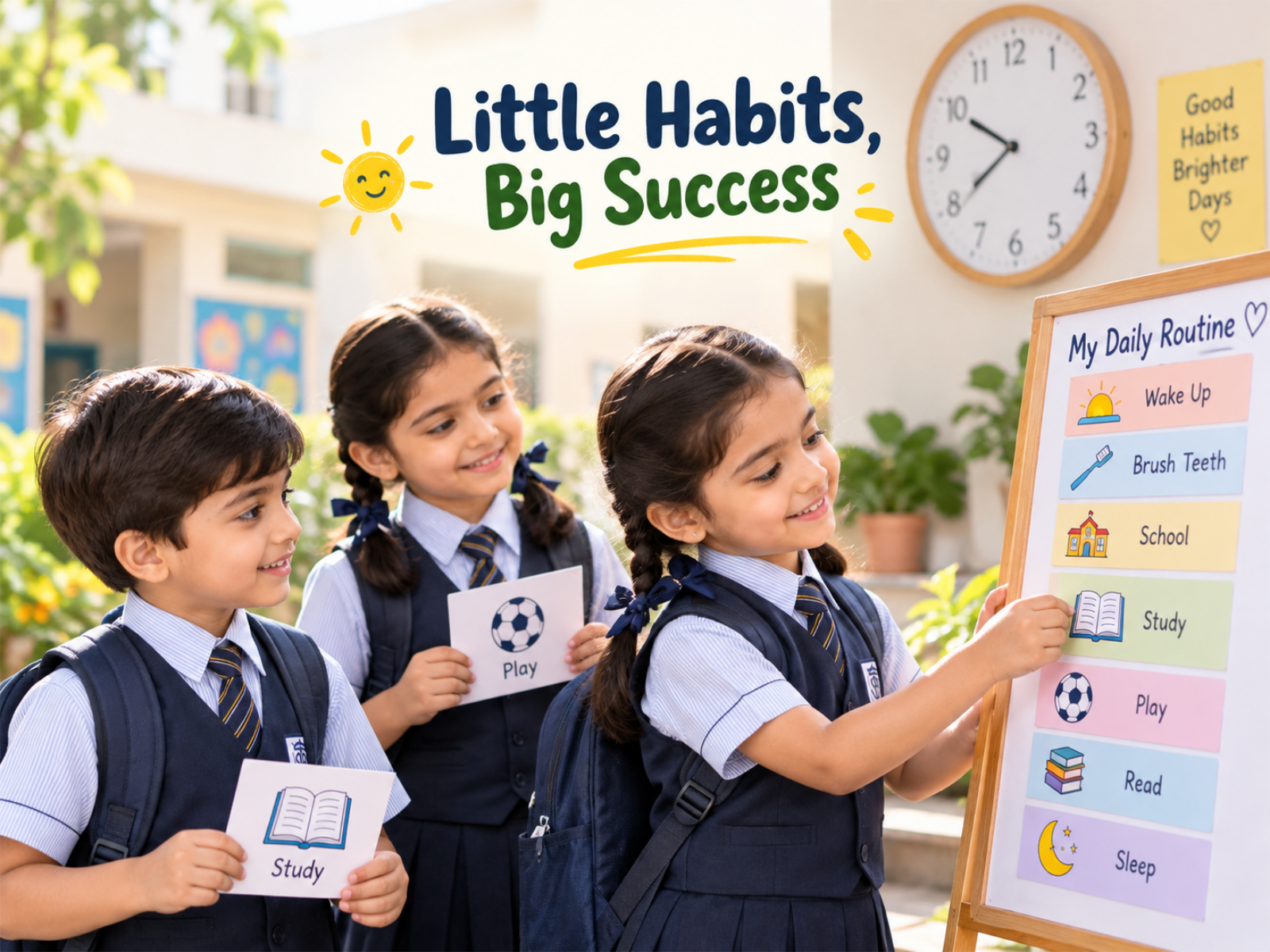
Children learn important life lessons through everyday routines. Reaching school on time, completing small tasks, keeping their belongings organised and following a daily schedule may seem like simple habits, but they help children develop responsibility, independence and self-discipline.
At Sparkles International School, Kalaburagi, we believe that teaching time management to children begins with small, consistent steps. When children understand the importance of using their time wisely, they gradually learn to balance their responsibilities and enjoy their activities without feeling rushed.
Why Time Management Matters in Childhood
Time management is not just about watching the clock. It is about helping children understand routines, make thoughtful choices and complete tasks at an appropriate time.
Simple habits such as arriving at school on time, preparing school bags in advance and finishing classroom activities help children develop a sense of responsibility. Over time, these experiences can encourage better organisation and more independent decision-making.
Everyday Habits That Build Responsibility
Children do not need complicated schedules to learn the value of time. Small actions repeated every day can make a meaningful difference.
Following a morning routine: Waking up, getting ready and having breakfast at regular times can help children begin their day calmly.
Keeping belongings organised: Putting books, stationery and other items in their proper places encourages responsibility.
Completing tasks step by step: Finishing one activity before moving to another helps children practise focus and patience.
Balancing learning and play: Making time for studies, hobbies, rest and play teaches children that every part of the day has value.
These habits become easier when parents and teachers guide children patiently and appreciate their efforts.
The Role of Parents and Teachers
Children learn many habits by observing the adults around them. When parents follow consistent routines and teachers encourage punctuality and organised classroom activities, children receive a positive example to follow.
Instead of scolding children for forgetting a task or taking extra time, adults can guide them with gentle reminders and clear instructions. Giving children small responsibilities appropriate to their age also helps them feel capable and trusted.
Learning to Use Time Without Losing the Joy of Childhood
Teaching time management should never mean filling every minute with tasks. Children also need time to play, rest, explore and enjoy their childhood.
A balanced routine gives children opportunities to learn while leaving enough space for creativity and relaxation. The goal is not perfection; it is helping children gradually develop habits that support their everyday lives.
Small Steps Today, Valuable Habits for Tomorrow
Good habits do not develop overnight. They grow through practice, encouragement and consistency. Every school bag packed independently, every task completed on time and every routine followed with confidence represents a small step towards greater responsibility.
At Sparkles International School, Kalaburagi, we believe that meaningful education extends beyond academic learning. By encouraging positive daily habits, we can help children become more organised, responsible and prepared for the opportunities ahead.
Because success often begins with the little things children learn to do every day.