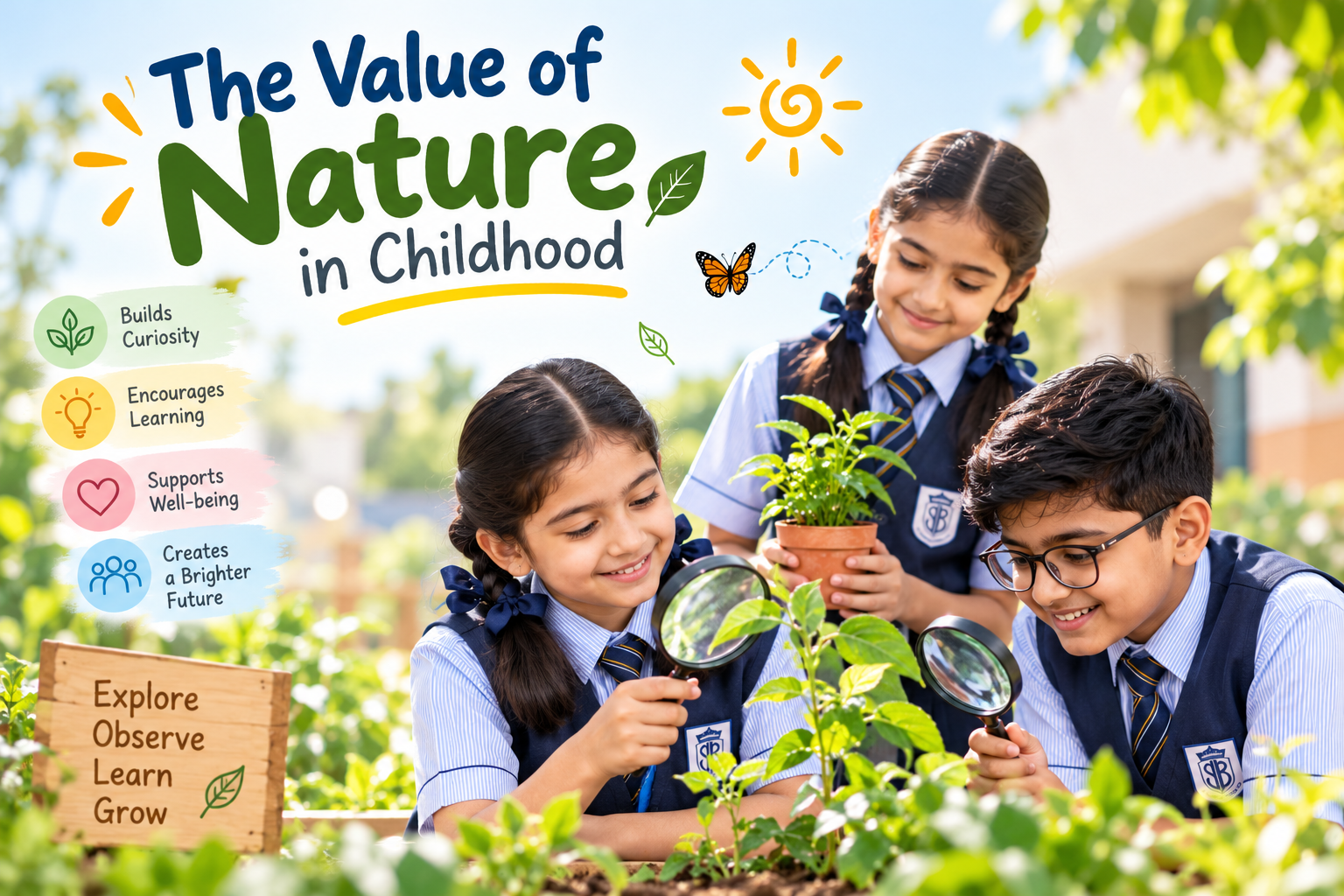
A leaf with an unusual shape, a colourful butterfly or the sound of birds can turn an ordinary moment into a discovery for a child. Nature offers countless opportunities to observe, ask questions and explore the world beyond the classroom.
Introducing children to the natural world can make everyday experiences meaningful while encouraging curiosity and appreciation for the environment.
Discovering the World Outdoors
Outdoor experiences allow children to observe plants, insects, weather and changing surroundings. These simple observations can lead to questions and conversations that encourage them to learn more about the world.
Instead of simply hearing about nature, children get opportunities to see details for themselves and develop a deeper interest in their surroundings.
Encouraging Observation and Curiosity
Children may wonder why leaves have different shapes, how plants grow or where ants are going. Encouraging these questions helps them practise observation and explore possible explanations.
Parents and teachers can support this curiosity by asking children what they notice and inviting them to describe their discoveries.
Movement, Exploration and Well-Being
Age-appropriate outdoor play gives children opportunities to move, stretch and explore different surroundings. Walking, observing and playing in suitable outdoor spaces can contribute to physical activity and general well-being.
Outdoor experiences should always be appropriate for children’s ages, weather conditions and safety needs.
Learning to Care for the Environment
Small habits can introduce children to environmental responsibility. Watering plants, avoiding littering and treating living things with care help children understand that their actions affect the world around them.
These everyday practices can encourage respect for nature and a sense of responsibility.
Encouraging Curiosity at Sparkles International School, Kalaburagi
At Sparkles International School, Kalaburagi, children’s learning journey can be enriched by opportunities to ask questions, explore ideas and connect learning with their surroundings.
Parents can also encourage nature exploration at home through simple activities such as observing plants, noticing birds or talking about changes in the weather.
Every leaf, flower and little discovery can remind children that learning is all around them.
Frequently Asked Questions
Why is nature important for children?
Nature provides opportunities for observation, movement, curiosity and learning about the environment.
How can parents introduce children to nature?
Take short walks, observe plants and birds together, grow a plant or encourage children to describe what they notice outdoors.
Can outdoor experiences support learning?
Yes. Outdoor experiences can complement classroom learning by giving children opportunities to observe, ask questions and connect ideas with real-world examples.