

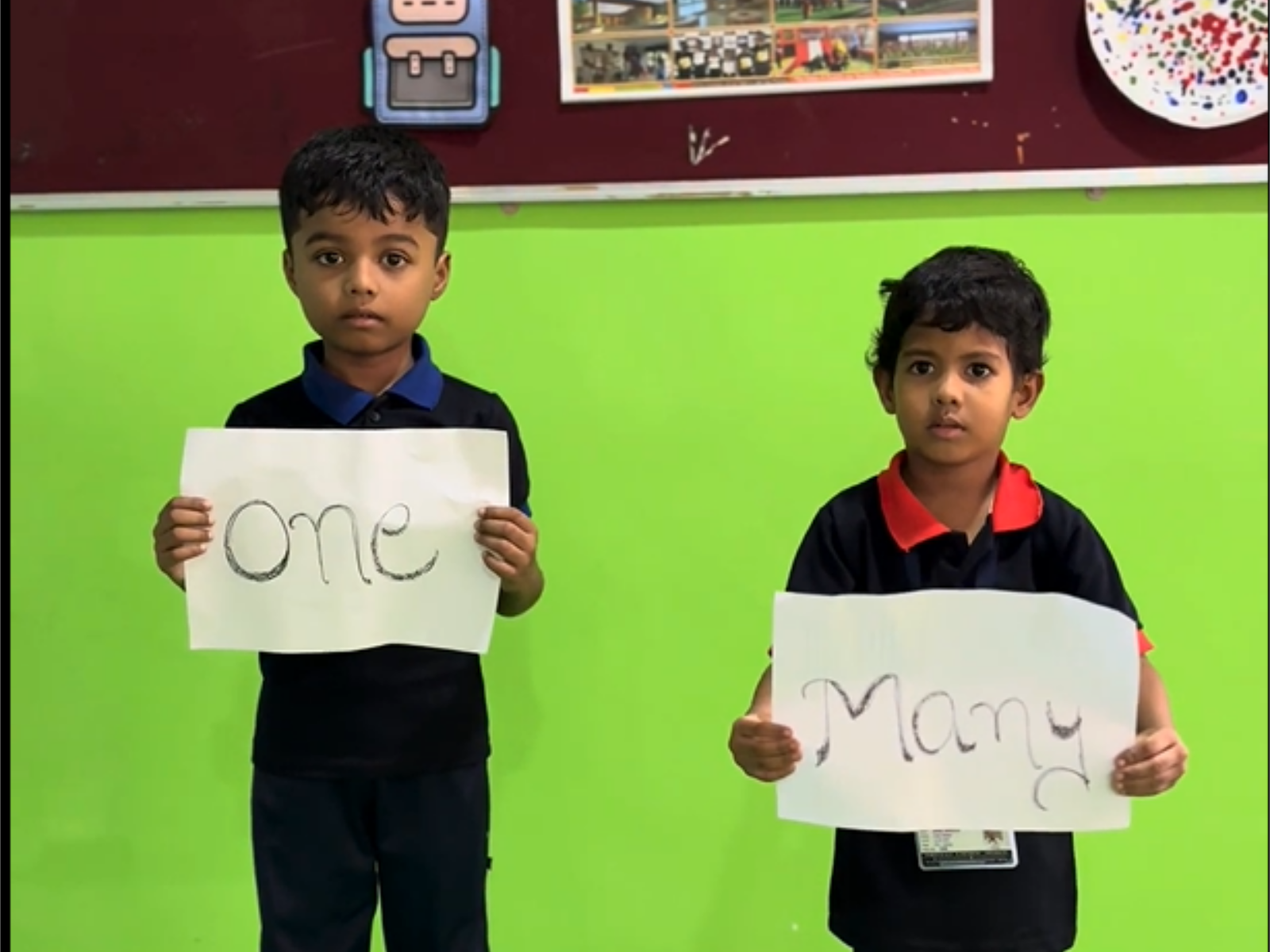
Playtime may look like simple fun, but for young children, it can be an important part of learning. Whether they are building with blocks, sharing toys or participating in a group game, children get opportunities to explore ideas and understand the world around them.
At Sparkles International School, Kalaburagi, meaningful learning experiences can help children connect curiosity with discovery and make their early educational journey more enjoyable.
Play Encourages Curiosity
Children naturally want to explore how things work. Through play, they can experiment, ask questions and discover new possibilities.
These experiences encourage observation and help children begin understanding simple concepts through their own experiences.
Developing Social Skills Through Play
Playing with classmates gives children opportunities to share, take turns, listen and cooperate. They also begin learning how to manage small disagreements with guidance from adults.
These everyday interactions can help children develop positive relationships and understand the importance of teamwork.
Creativity and Problem-Solving
Building a structure, completing a puzzle or inventing a pretend game encourages children to think creatively.
When something does not work as expected, children have opportunities to try another approach. This helps them practise flexible thinking and learn that challenges can be approached in different ways.
Supporting Physical and Language Development
Movement-based games can help children practise coordination and body control. Pretend play, storytelling and conversations also give them opportunities to learn new words and express their thoughts.
Different kinds of play support different areas of development, making a balanced range of experiences valuable during early childhood.
Learning Through Play at Sparkles International School, Kalaburagi
At Sparkles International School, Kalaburagi, early learning experiences can include opportunities for children to explore, interact and participate in meaningful activities.
For parents choosing a school, it is worth understanding how play and practical experiences are incorporated into early learning, alongside the development of foundational academic skills.
When children have the freedom to explore and the guidance to learn, even a simple game can become a meaningful learning experience.
Frequently Asked Questions
Why is learning through play important?
Play gives children opportunities to explore concepts, practise communication, develop creativity and interact with others.
Does play help children prepare for formal learning?
Yes. Suitable play experiences can support early language, attention, problem-solving and social skills that are useful for classroom learning.
What types of play support child development?
Building games, puzzles, pretend play, storytelling, movement games and supervised group activities can support different areas of development.