

Children often remember what they experience, create and discover for themselves. A new colour made with their own hands, a letter they confidently pronounce or a shape they create from clay can turn an ordinary classroom moment into a meaningful learning experience.
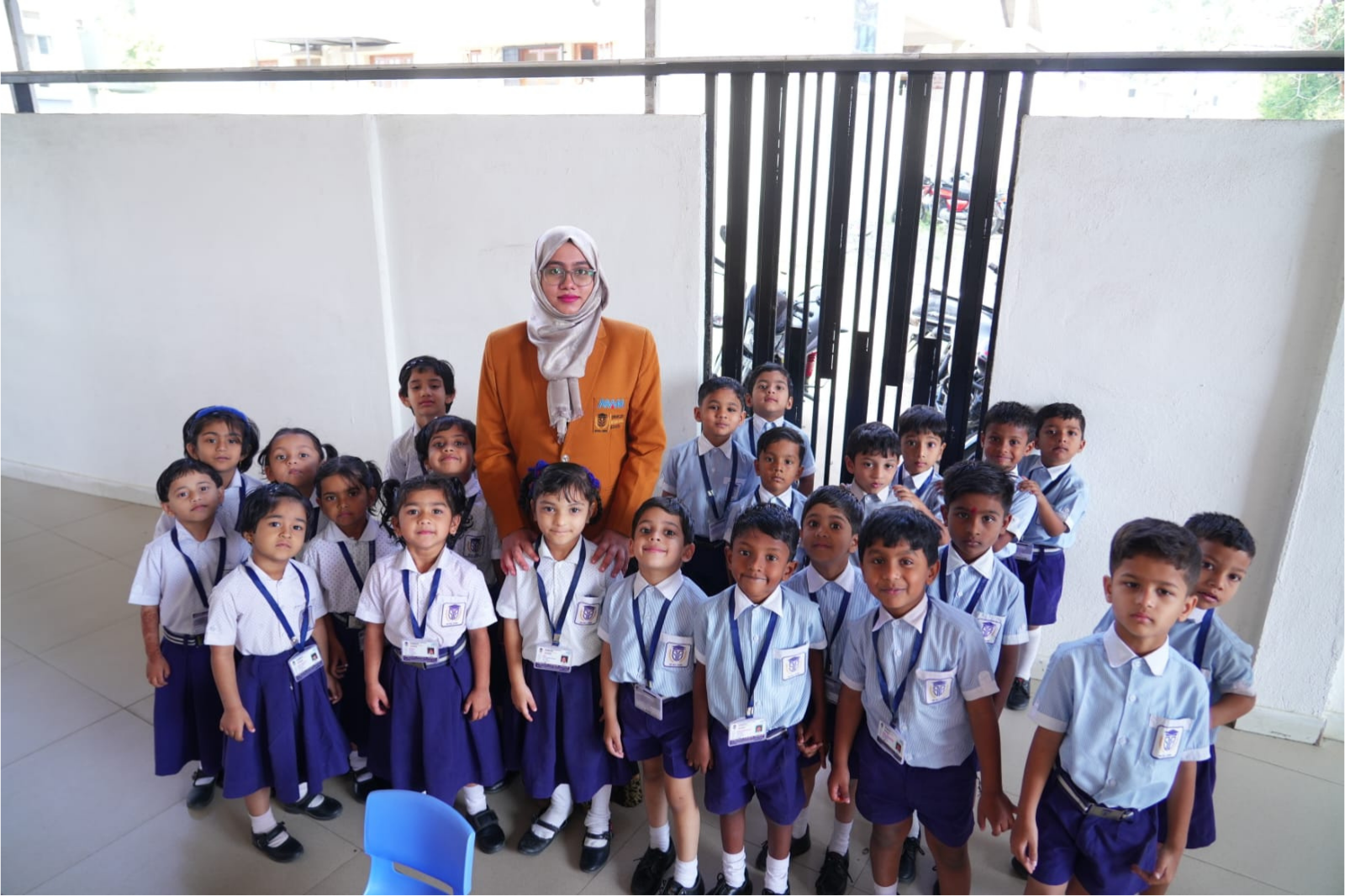
At Sparkles International School, Kalaburagi, classroom activities give children opportunities to explore concepts in enjoyable and practical ways. This is the value of activity-based learning – helping young learners connect ideas with experiences they can see, touch and understand.
Learning Becomes Meaningful Through Activities
For young children, learning is not limited to books and worksheets. They are naturally curious about the world around them and often learn by observing, experimenting and participating.
Simple classroom activities can help make unfamiliar concepts easier to understand. When children take part in a task themselves, they have an opportunity to explore ideas, ask questions and learn from their experiences.
These moments also make classroom learning more engaging and memorable.
Small Activities That Create Big Discoveries
Every activity can introduce children to a new concept while giving them opportunities to practise important skills.
Alphabet Activities: Building Early Language Skills
When children pronounce letters aloud and connect them with familiar words, they begin recognising letter sounds and developing early language awareness. Repeating sounds and participating with classmates can also encourage children to speak with greater confidence.
Colour Mixing: Learning Through Exploration
Mixing two colours to create a new one gives children a chance to observe, experiment and discover results for themselves. The excitement of seeing a new colour appear can encourage curiosity and help them understand simple cause-and-effect relationships.
Flower Printing: Creativity in Every Impression
Using real flowers and paint to create impressions introduces children to colours, patterns and natural textures. Each print offers an opportunity to explore creativity while practising hand control and coordination.
Clay Activities: Turning Ideas into Creations
Shaping clay allows children to transform their ideas into something they can see and touch. Pressing, rolling and moulding clay gives them opportunities to practise hand movements, explore shapes and express their imagination.
Grammar Activities: Making Language Concrete
Displaying familiar objects such as books, toys, mats and pencils can help children understand singular and plural forms. Connecting grammar concepts with objects they recognise makes abstract language rules easier to explore.
How Hands-On Learning Encourages Confidence
A child’s confidence often grows through small achievements. Recognising a letter, completing a flower print or explaining an answer to classmates can give children a sense of accomplishment.
When children are encouraged to participate and try again, they learn that making mistakes is a natural part of learning. They gradually become more comfortable sharing ideas, exploring unfamiliar tasks and celebrating their progress.
Group activities can also create opportunities to listen to others, take turns and learn alongside classmates.
The Important Role of Teachers
Activities become more valuable when children receive thoughtful guidance. Teachers can introduce a concept, demonstrate a task, ask children what they notice and encourage them to share their observations.
Rather than simply giving children the answers, this approach creates opportunities for them to think, explore and reach their own understanding.
At every stage, encouragement and age-appropriate guidance help children enjoy the learning process while developing new skills.
Activity-Based Learning at Sparkles International School, Kalaburagi
At Sparkles International School, Kalaburagi, classroom activities such as alphabet learning, colour mixing, flower printing, clay work and practical grammar exercises offer children different ways to engage with concepts.
These experiences bring variety to classroom learning and encourage children to participate actively. They also create little moments of discovery that children can share with their teachers and families.
For parents, these everyday experiences highlight an important part of early education: children need opportunities not only to learn new information, but also to explore, practise and make sense of it.
Because sometimes, a little paint, a handful of clay or a familiar object can open the door to a big discovery.
Frequently Asked Questions
What is activity-based learning?
Activity-based learning is an approach in which children explore concepts through practical tasks, games, creative projects and hands-on experiences.
How does activity-based learning help young children?
It gives children opportunities to explore ideas, practise skills, develop creativity and participate actively in the learning process.
Which activities support early childhood learning?
Alphabet activities, colour mixing, flower printing, clay work and practical grammar exercises are examples of activities that can support different areas of early learning.
Why is hands-on learning useful in kindergarten?
Hands-on learning connects concepts with real experiences, helping children explore ideas in ways that are engaging and appropriate for their stage of development.